Hatha Yoga
Yoga fundamentals for beginners and experienced yogis
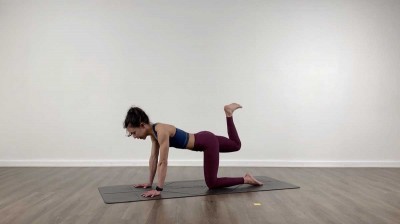
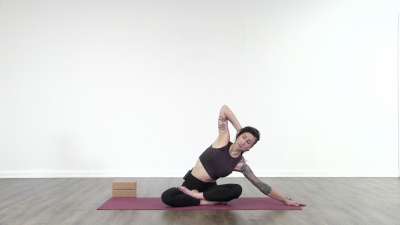
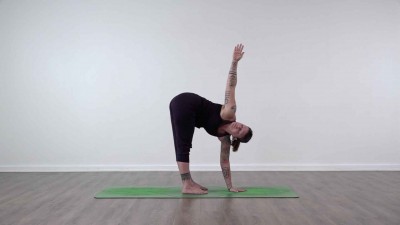
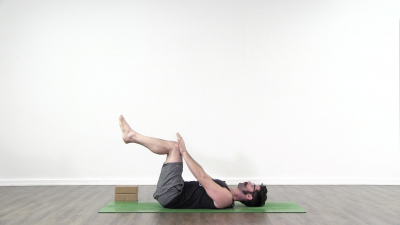
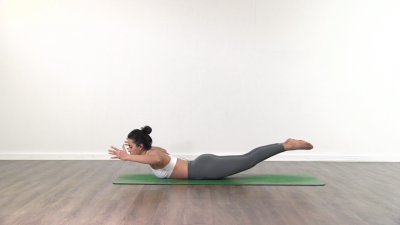
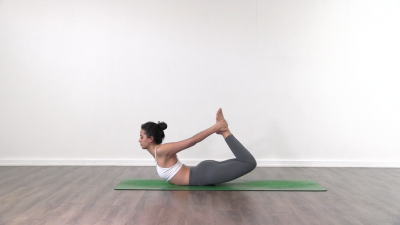
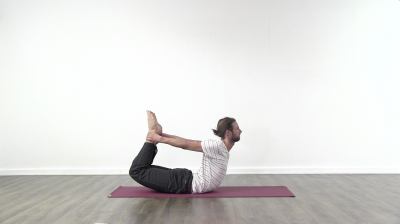
The most popular yoga forms in the West today derive from Hatha Yoga, including (but not limited to) Bikram Yoga, Iyengar, Jivamukti, and Ashtanga Vinyasa.“Hatha” means “force” in Sanskrit, and refers to yoga as a system of physical techniques. Hatha Yoga is mentioned early in both Hindu and Buddhist contexts, with the earliest records of the term “Hatha Yoga” being found in Buddhist Tantric works from the eighth century. However, according to legend, Hatha Yoga was developed by Buddhist/Hindu saint Matsyendranath (c. early tenth century), who overheard Shiva describing the principals of yoga and from this founded Hatha Yoga.
Even though Hatha Yoga is an ancient practice, the most influential work on Hatha Yoga is medieval: Svami Svatmarama’s fifteenth-century Hatha Yoga Pradipika. Among other things, his work contains descriptions of postures (asanas), breathing exercises (pranayamas), power centers (chakras), and meditation. During India’s movement for independence from the British Empire in the 1920s and 1930s, the interest for Hatha Yoga grew enormously. Hatha Yoga became so popular in this period because it was considered a symbol of national unity, Indian traditions, and freedom, as opposed to imposed “Britishness”.
With Hatha Yoga’s popular rise in the 1920s and 1930s, it was also greatly developed in this time period. Some of the most influential revivers and reformers of Hatha Yoga were Tirumalai Krishnamacharya, Paramhansa Yogananda, and Bishnu Ghosh. They all had in common that they focused more on the asana practice that had been done before, and they also worked on the optimal sequencing of and alignment in asanas. However, all of them primarily taught the 84 classical Hatha Yoga asanas. These 84 classical asanas are also the focus of the Hatha Yoga offered at Yogateket. In our online yoga classes, we combine deliberate breathing with static postures, and in so doing create a strong foundation for your yoga practice. After some time, you might even find meditation and relaxation by staying in the postures.
5 Programs

Yoga Therapy
Accessible for everyone. This program is for you who live with postural problems, a stiff neck or back, or long days at the computer. It is also a good place for beginners to start, or for anyone who wants to go back to the foundation of their practice.
We use a lot of simple spinal twists and bends. The aim is to work on the mobility of the spine and to start to correct postural imbalances, so the spine can move freely. Core strength comes in step by step, because posture problems often go together with a weak core.
- Week 1: Intro Talk, then Our Practice Starts Here and Physiotherapy Movements, a mix of yoga and physiotherapy movements.
- Week 2: Strong and Stable House and Developing Appropriate Core Strength, with more time on strength.
- Week 3: Letting Go of Poor Posture and We Bring it Together, where we stabilise the spine and tie everything together.
The classes are 30 to 45 minutes, level 1-2, with no props. Afterwards, repeat the classes that helped you most. If you have pain, check with your doctor or physiotherapist before you start.

Whole30 Yoga Practice Program
Want to bring more movement into your life? This program gives you 30 days of yoga, movement, breathing and mindfulness, one class a day. It started as a companion to the Whole30 timeline, but anyone can start it on any day.
The classes come from across Yogateket's library and teachers, so you get to try a bit of everything:
- Week 1 mixes a steady Vinyasa flow like A Well Rounded Class with an evening wind-down in Halftime: Winding Down, the Loving Kindness Meditation and your first Simple Breathing Practice.
- Week 2 brings standing work in Yoga 20: Stand Tall, passive backbends in Lean Back and Relax: Passive Backbends, the first strength workout, Let's Begin, and Yoga for the Face.
- Week 3 goes from the gentle Easy Flow to Short Ashtanga Practice and Deep Relaxation Practice.
- Week 4 builds strength with 15 Minute Core and Strengthen Your Hamstrings, and slows down with Meditation for A Restless Mind.
- Week 5 ends with Jump into Malasana and Hips and Shoulders.
The classes are 10 to 60 minutes long, mostly level 1-2. Keep a pair of blocks nearby.

Prenatal Yoga Program
This prenatal program is for all mothers to be. Pregnancy is a time full of changes, in your body and in your mind. A yoga practice through your pregnancy gives you time and space to notice those changes, and to feel physically and emotionally steady.
Each class is twenty minutes, so it fits into your day:
- Week 1: All Around Prenatal Class and Wake Up Practice.
- Week 2: A Well Rounded Pregnancy Practice and Lower Body Class, to keep your legs strong as your belly grows.
- Week 3: Front, Side and Back Body and Hips, Hamstrings and Stability.
Use the props as you need to support your practice. Two blocks and a bolster or pillow are enough. Modify whenever you need to, and always listen to your body. If you are unsure about practising, check with your midwife or doctor first. Level 1-2.

Todos Los Días, Todas Las Veces Que Quieras
Este programa tiene 8 sesiones, cada una dedicada a una parte del cuerpo: cuello, hombros, caderas, espalda y omóplatos, muñecas, pies, cuádriceps e isquiotibiales, y caja torácica. Empieza con Bienvenidos.
El objetivo es activar y calentar el cuerpo por grupos musculares y prepararlo para la práctica. Está pensado para antes de la práctica, pero también puedes hacerlo durante la práctica o por separado. Según tu energía y tu tiempo, haz todos los movimientos de cada grupo muscular o solo algunos.
- Semana 1: Cuello, Hombros, Caderas y Espalda y Omóplatos.
- Semana 2: Muñecas, Pies, Cuádriceps e Isquiotibiales y Caja Torácica.
Las sesiones duran entre 10 y 35 minutos. Nivel 1-2, sin accesorios. Combínalas como quieras y crea tus propias rutinas.

From Flexibility to Mobility
It is easy to mix up mobility and flexibility. Mobility is the ability to take a joint through its full range of motion with control. Flexibility is part of the base for it.
This program has five classes that work through different parts of the body. Together we take flexibility into mobility, working hard to control our full range of motion, and find stability in our joints along the way. Start with Welcome to This Program.
- Hip Mobility: internal and external rotation, with control.
- Shoulder Mobility: the full range of the shoulder, without help from the spine.
- Spine Mobility: flexion, extension, side bending and rotation, one part at a time.
- Wrist Mobility: strength and mobility for the wrists, especially in extension.
- Knees and Ankles Mobility: the tibia and ankle, to prepare for squats.
Each class is 10 to 20 minutes, level 1-2, with two blocks.
1 Challenge
Step Out Of Your Yoga Comfort Zone
This one week yoga challenge is a tool to grow and to step out of your yoga comfort zone.
If you don't try new classes and teachers regularly, this might be a challenge, and a rewarding one. In seven days you try six teachers and five different styles of yoga:
- Slow Strength, slow Hatha strength with Daniel Scott.
- Varying Variations, a playful Vinyasa flow with Lauren Matters.
- En-light-enment, the air element with Linnea Ahlgren.
- Ashtanga Vinyasa Intro, your first taste of Ashtanga with Sofia Soori.
- Yin Hips Practice, long Yin holds with Sofia Soori.
- Lower Body Love, legs and balance with Lizette Pompa.
- Back to Balance with Pranayama, a breathing practice with Guy Powiecki.
The classes are 20 to 45 minutes, level 1-2. "When was the last time you did something for the first time?"