Yoga Challenges for Beginners: How to Pick One and Finish It


A yoga challenge is a set number of days, usually 7, 21 or 30, where you commit to practising yoga every day or on a fixed schedule. For beginners the best challenge is short daily classes, 10-20 minutes at level 1, with the same start time each day. The point is the habit. Nobody needs to finish in a handstand.
What a yoga challenge is
Most challenges come in one of four shapes:
- A daily class series. One video or studio class a day for 21 or 30 days, often with one teacher. The classic "30 days of yoga".
- A theme challenge. Strength, breathing, meditation or flexibility, a few weeks long, with classes that build on each other.
- A variety challenge. A new teacher or style each day, to find out what you like.
- A pose challenge. Popular on Instagram. Each day has a pose to try and photograph. Fun, and the riskiest of the four for a beginner (more on that below).
If you are new to yoga, start with our beginner's guide to what yoga is and the essential yoga poses for beginners. A challenge goes smoother when Downward-Facing Dog and a forward fold are not brand new on day one.
Why do a yoga challenge
Start with a plain question: what do you want from the next few weeks? Yoga as part of the day. A stronger core. Ten minutes of sitting still without checking your phone. The answer decides which challenge fits.
What a challenge gives you, honestly:
- A habit. Practising at the same time each day takes the daily decision away. You roll out the mat because it is 7 o'clock.
- Progress you can feel. After three or four weeks of regular practice most people notice that a forward fold goes a little deeper and Plank Pose lasts a few breaths longer.
- A reason to try new things. A new style, a new teacher, a breathing technique you would have skipped.
What it will not do: undo years of sitting in a month, or melt off weight on its own. More on that in the FAQ.
Yogateket's yoga challenges
21-day meditation challenge

Ten minutes a day with Guy Powiecki, level 1, no experience needed. You start by following the breath, then work with sound, the body and walking meditation. Good if you want a daily practice that fits into any morning. Try day 1 here:
The full series is the 21-day meditation challenge with Guy Powiecki. For background on sitting practice, read a beginner's guide to meditation.
Yoga strength challenge

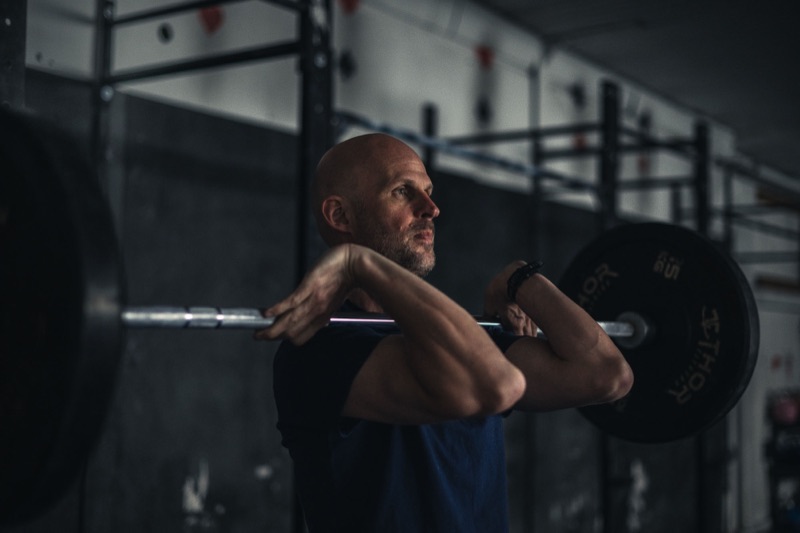
Four weeks, four short workouts a week, 16 in all, with Lizette Pompa. Level 2. Lots of Plank, Chaturanga Dandasana (Four-Limbed Staff Pose), Navasana (Boat Pose) and sliding drills on a towel. You will feel it in the arms, the core and the quads. If Chaturanga is still new, do the beginner program first. See the yoga strength challenge.
Step out of your yoga comfort zone

One week, six teachers, five styles: Hatha, Vinyasa, Ashtanga, Yin and pranayama. Level 1-2. This is the variety challenge. If you always take the same class, this week shows you what else is out there. The classes are in the comfort zone challenge.
21-day pranayama breathing challenge

Short daily breathing classes with Guy Powiecki, level 1-2. You begin with simple movements that free the ribs and the belly, then work with the exhale and short relaxed pauses, and later with techniques like Ujjayi, the victorious breath. A slow, long exhale shifts the nervous system toward rest, which is why many people use these classes to wind down. Start the 21-day pranayama challenge.
30-day yoga challenges and programs
A 30-day challenge is the best known format. You can do it at home with videos, at a studio, or mix the two. It does not need long classes. Twenty minutes a day for 30 days teaches you more than two long classes a week you keep cancelling. For practical tips on setting up at home, see how to do online yoga at home.
Whole30 class program

Thirty classes over five weeks, one a day, with Yogateket's teachers: Vinyasa, Hatha, Yin, strength, pranayama and meditation. Mostly level 1-2. A good first 30-day challenge if you are curious about several styles. See the Whole30 class program.
Ladder Fit Flow

Four weeks of ladder flows with Amaranta Aguilar. Each class starts with two or three postures and adds one or two new movements per round, linked by a vinyasa or Downward-Facing Dog. Five rounds in all. By round five you know the sequence by heart and can put your attention on doing each pose well. Level 1-2, a full-body workout. See Ladder Fit Flow.
The Power of Four

Four weeks, four classes a week with Lizette Pompa, each week on one area: shoulders, spine and core, hips, legs. Every week has a yoga class, a weight workout, a mobility class and a full class that combines them. You need two 2 kg dumbbells, a kettlebell (8 kg), a resistance band, a dowel or broom handle, two blocks and some wall space. See The Power of Four.
How to pick and finish a challenge
- Pick your level honestly. New to yoga means level 1. A level 2 strength challenge on week one is a good way to quit on day four.
- Pick the length. Seven days if you are unsure. Twenty-one or thirty when you already practise once or twice a week.
- Fix a time. Same time every day, ideally tied to something you already do: after coffee, before dinner.
- Keep it short. Plan for 15-20 minutes. A long class is a bonus, not the plan.
- Put rest in the plan. One gentle day a week, a Yin class or breathing only, still counts.
- Write one line after each class. What felt different today. Our post on how to start a yoga journal has a simple template.
- Miss a day, carry on. Pick up the next day. Two missed days in a row is where challenges usually end, so guard against that one.
Pose challenges on Instagram
A pose challenge gives you a pose a day, often chosen by a group of teachers, and you post your version. It is a nice way to learn new poses and build your own sequence: collect the week's poses and you have a short practice of your own.
Two rules keep it safe. Warm up first: ten minutes of Sun Salutations before a backbend or an arm balance. And skip or modify a pose you are not ready for. Many challenge poses are advanced, and forcing a deep backbend or a headstand cold for a photo is a common way to strain a wrist, a shoulder or the neck.
Where the advice disagrees
"21 days makes a habit." This number goes back to the 1960 book Psycho-Cybernetics by Maxwell Maltz, a plastic surgeon who noticed patients took about three weeks to get used to a change. It was an observation, not a finding about habits. A study from University College London, published in 2010 by Phillippa Lally and colleagues, followed people building a new daily habit and found a median of 66 days, with a wide range between people. So a 21 or 30-day challenge is a good start. The habit usually needs longer.
Daily practice or rest days. Challenge culture says every day. Traditional Ashtanga practice is six days a week, with Saturdays and moon days off. Both work. Gentle daily practice is fine for most bodies. Hard strength or backbend work every single day is where overuse problems start, so vary the intensity.
What "results" means. Many challenges are sold as a way to change your body in 30 days. Most teachers see it more modestly: a month gives you a routine, some strength and a little more range. That is a good month.
If you want a first challenge with a clear structure, the four-week yoga for beginners program with Lizette Pompa builds the basic Vinyasa postures one twenty-minute class at a time, and you will find the rest of our challenges on the yoga challenges page.
Frequently asked questions
Can 30 days of yoga make a difference?
Yes, in the ways you would expect from a month of regular movement. Most people notice easier forward folds, a steadier Plank and a clearer sense of how they breathe. Thirty days is also long enough to make yoga part of your day. It is not long enough for large changes in strength or flexibility.
What happens to your body after 30 days of yoga?
Muscles you use often get a little stronger, mostly the shoulders, the core and the legs. The hamstrings and hips tolerate a deeper stretch. Balance on one leg gets steadier with practice. How much depends on how often and how hard you practised, and where you started.
How much weight can you lose doing yoga for 30 days?
Not much from yoga alone. A gentle Hatha class burns about as much energy as a slow walk, and a strong Vinyasa or strength class a bit more. Weight change comes mostly from food and total daily activity. A challenge can help by building a routine, but do not count on the scale.
Which yoga challenge is the easiest for beginners?
One with short classes at level 1 and a single teacher, so the cues stay the same. A 21-day meditation or breathing challenge is the gentlest start. For postures, a four-week beginner program that adds one pose at a time is easier than a daily 30-day mix.
How long should each class be during a challenge?
Fifteen to twenty minutes is enough for most beginners. Short classes are easier to fit in every day, and finishing the challenge matters more than any single long class.
What if I miss a day?
Carry on the next day. Do not try to make up by doing two classes. The challenge is about coming back to the mat, and one missed day does not change that.
Do I need props for a yoga challenge?
A mat is enough for most beginner challenges. Two blocks help in many level 1 classes, and a strap or a towel can replace a block for some stretches. Strength programs may need dumbbells or a resistance band, which the class description will say.