Ashtanga Yoga
A flow of poses integrated with deep and deliberate breathing
History of Ashtanga
Ashtanga yoga was first codified and taught by Sri K. Pattabhi Jois (1915-2009). Sri K. Pattabhi Jois studied under Tirumalai Krishnamacharya (1888-1989) from 12. Krishnamacharya’s teaching greatly influenced him in the creation of Ashtanga yoga. Still, he also found guidance in classical Sanskrit works such as Svami Svatmarama’s fifteenth-century yoga manual Hatha Yoga Pradipika and Patanjali’s collection of aphorisms Yoga Sutra (compiled before 400 CE).
One element Ashtanga yoga has in common with Patanjali’s yoga philosophy is the emphasis on the eight (asht) limbs (anga) of yoga: yama (moral discipline), niyama ([self-] restraint, purification), asana (posture), pranayama (breath control), pratyahara (withdrawing the mind from the senses), dharana (concentration), dhyana (meditation), and samadhi (union with the object of meditation). Pattabhi Jois thought it was essential to practice asanas before one could master the other seven limbs. Perhaps because of Ashtanga yoga’s close connection to ancient yogic scriptures, it is often referred to as a modern-day form of classical yoga.
The Primary Series
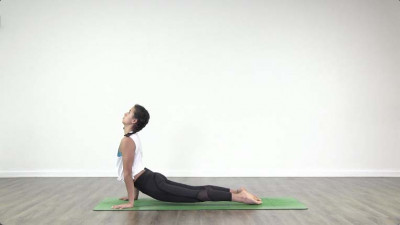
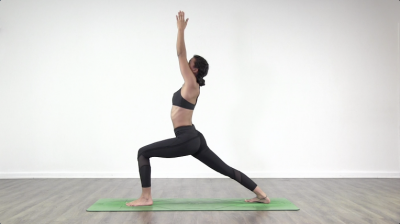
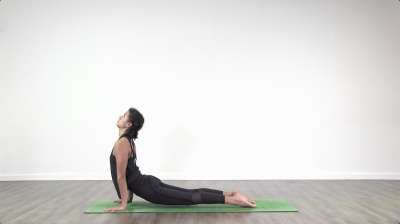
Ashtanga Vinyasa encompasses asanas and breath joined in a flow and cultivates a healthy body in all aspects: physical, mental, and spiritual. The classical Ashtanga yoga class, Primary series, starts with five sun salutation A followed by five sun salutation B. The sun salutations are followed by a sequence of standing and seated postures from three different series: Yoga Chikitsa (Yoga Therapy/First Series), Nadi Shodhana (Nerve Purifier/Second Series), and Sthira Bagha (Centering of Strength/Third Series). You need to master the postures of the first series before moving on to those of the second.
Ashtanga Vinyasa's
All movement is linked with breath into a flow. With Ashtanga vinyasa, you will become stronger, more flexible, and more focused through progressive techniques of breathing, postures, and movement. At Yogateket, you can progress through the classical Ashtanga yoga series and, when you feel ready, discover variations that will take you to the next level of your practice.
Possible benefits of Ashtanga-yoga
- Tones body and mind
- Increases flexibility and strength
- Improves bodily coordination
- Increase stamina and endurance
- Increases the blood circulation
- Reduces stress
- Contributes to a strong and healthy spine
3 Programs

Ashtanga Fundamentals
Welcome to Ashtanga Fundamentals, a four week course in Ashtanga Vinyasa for beginners with Sofia Soori.
The goal is to build a self-practice you can use as the base for an everyday yoga practice at home. You learn the basics of the Ashtanga method and get the tools and inspiration to practise more often. Each week has one theory lesson and two practice classes. Do the practice classes twice a week, and you stand on your mat four times a week. Start with Welcome to This Course.
- Week 1: Ashtanga Yoga, Ujjayi meets Sun Salutation A and Sun Salutation B.
- Week 2: the Yamas in A Healthy Relationship with the World, Complete All the Standing Postures, The Finishing Sequence and Opening and Closing Mantra.
- Week 3: Let's Start with Some Seated Postures, Standing and Seated Postures and the Niyamas in Build Self-discipline and Inner Strength.
- Week 4: The Last Part Of the Seated Postures, Key Postures in Primary Series, Can We Reach Total Bliss? and My Best Advice to You Dear Yogi.
Level 1-2, no props needed. Practice, practice, practice.

Whole30 Yoga Practice Program
Want to bring more movement into your life? This program gives you 30 days of yoga, movement, breathing and mindfulness, one class a day. It started as a companion to the Whole30 timeline, but anyone can start it on any day.
The classes come from across Yogateket's library and teachers, so you get to try a bit of everything:
- Week 1 mixes a steady Vinyasa flow like A Well Rounded Class with an evening wind-down in Halftime: Winding Down, the Loving Kindness Meditation and your first Simple Breathing Practice.
- Week 2 brings standing work in Yoga 20: Stand Tall, passive backbends in Lean Back and Relax: Passive Backbends, the first strength workout, Let's Begin, and Yoga for the Face.
- Week 3 goes from the gentle Easy Flow to Short Ashtanga Practice and Deep Relaxation Practice.
- Week 4 builds strength with 15 Minute Core and Strengthen Your Hamstrings, and slows down with Meditation for A Restless Mind.
- Week 5 ends with Jump into Malasana and Hips and Shoulders.
The classes are 10 to 60 minutes long, mostly level 1-2. Keep a pair of blocks nearby.
Ashtanga Para Principiantes
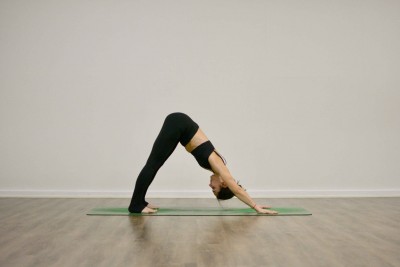
Este programa de Ashtanga Yoga es una guía para quienes quieren empezar con la práctica de Ashtanga. Ve despacio e incorpora posturas a medida que avanza tu práctica.
La práctica de Ashtanga empieza siempre con los Saludos al Sol (Surya Namaskara en sánscrito). Muchas tradiciones yóguicas creen que el Sol no solo está en el espacio, sino también en el corazón de cada uno de nosotros. Los Saludos al Sol calientan el cuerpo, relajan la musculatura y abren las articulaciones, y te enseñan a sincronizar la respiración, el cuerpo y la mente.
- Semana 1: ¿Qué es Ashtanga Yoga?, Saludo al Sol A, Saludo al Sol B y las primeras posturas de pie.
- Semana 2: el resto de las posturas de pie y ¿Qué es el estilo Mysore?.
- Semana 3: el equilibrio, las primeras posturas de suelo, Mantras y Posturas de Pie Primera Serie de Ashtanga.
- Semana 4: las flexiones y torsiones de suelo, Navasana, Posturas de Suelo Primera Serie y Los 8 Miembros del Yoga.
- Semana 5: Posturas Finales Para Principiantes, Posturas Finales Practicantes Avanzados y Vinyasa, Drishti y Bandha.
Cada vídeo explica el significado de la postura, las respiraciones, el drishti y los posibles riesgos. Nivel 1-2, sin accesorios.
1 Challenge
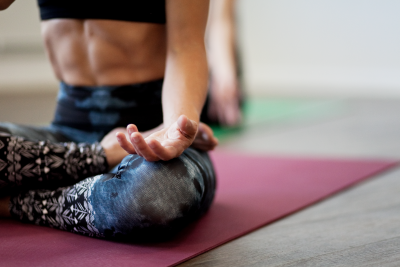
Step Out Of Your Yoga Comfort Zone
This one week yoga challenge is a tool to grow and to step out of your yoga comfort zone.
If you don't try new classes and teachers regularly, this might be a challenge, and a rewarding one. In seven days you try six teachers and five different styles of yoga:
- Slow Strength, slow Hatha strength with Daniel Scott.
- Varying Variations, a playful Vinyasa flow with Lauren Matters.
- En-light-enment, the air element with Linnea Ahlgren.
- Ashtanga Vinyasa Intro, your first taste of Ashtanga with Sofia Soori.
- Yin Hips Practice, long Yin holds with Sofia Soori.
- Lower Body Love, legs and balance with Lizette Pompa.
- Back to Balance with Pranayama, a breathing practice with Guy Powiecki.
The classes are 20 to 45 minutes, level 1-2. "When was the last time you did something for the first time?"