Nadi Shodhana (Alternate Nostril Breathing): How to Do It Step by Step

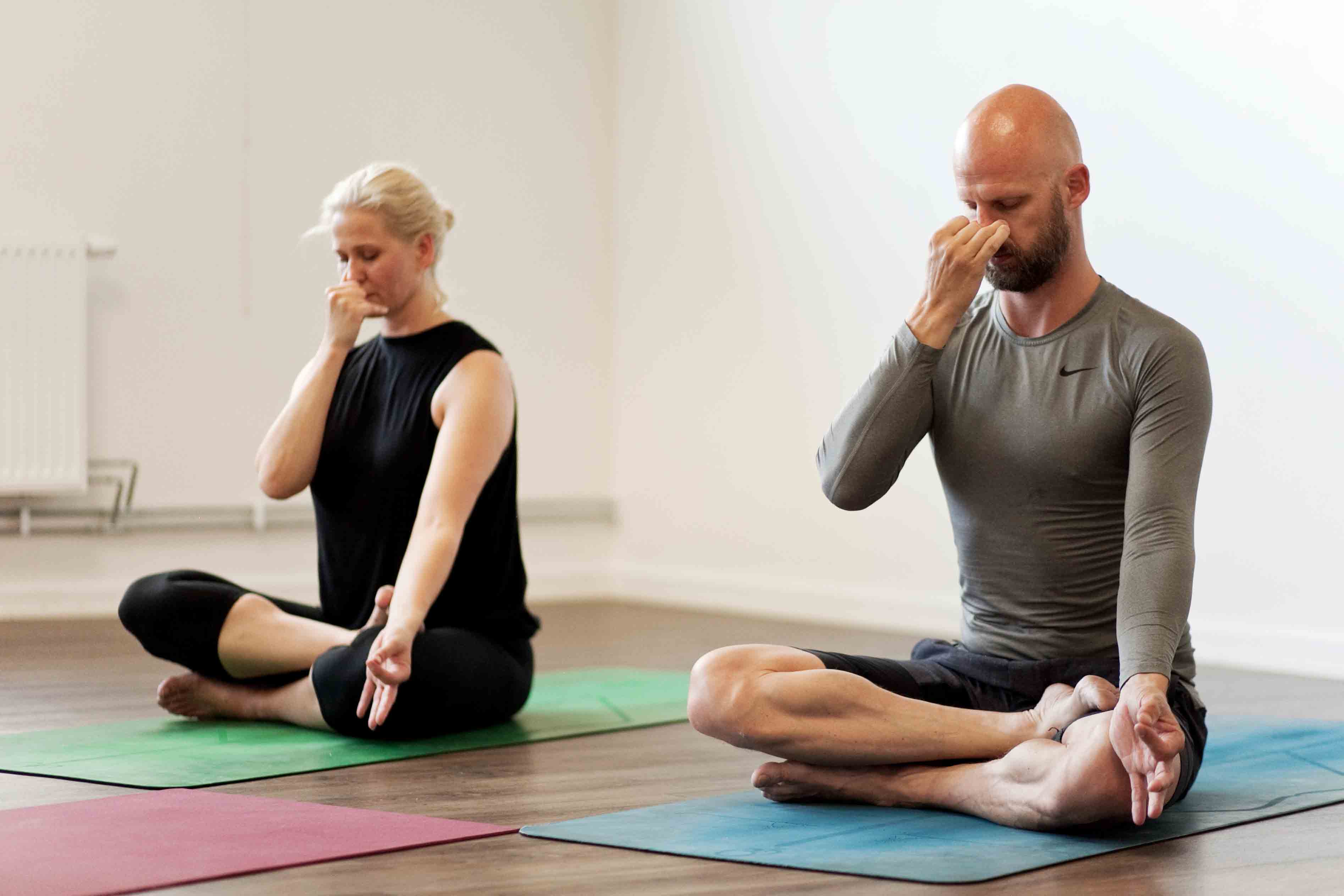
Nadi Shodhana (Alternate Nostril Breathing) is a yoga breathing technique in which you close one nostril with your fingers, breathe in through the other, then switch sides and breathe out. The breath travels in a slow, even loop: in on one side, out on the other, in on that same side, out on the first. It is one of the first pranayama practices most students learn, and most people use it to slow down and focus before meditation or at the end of a class.
Type: seated pranayama. Level: beginner friendly (without breath holds). Time: 5-10 rounds, about 3-5 minutes. Props: a cushion or a chair.
What does Nadi Shodhana mean?
The name is two Sanskrit words:
- Nadi (नाडी): a channel, tube or flow. In yoga texts the nadis are the channels that carry prana, breath or life force, through the body.
- Shodhana (शोधन): purifying, clearing.
Together: purification of the channels. You will also hear Nadi Shuddhi, with the same meaning, and Anuloma Viloma, a name used in some schools for the same practice (more on that below). Say it NAH-dee SHOHD-huh-nuh, with a breathy dh.
The two channels it is named for are ida, which in yoga physiology ends at the left nostril, and pingala, which ends at the right. The Hatha Yoga Pradipika, a 15th century manual of hatha yoga, describes the practice in a few verses: breathe in through the left nostril, hold, breathe out through the right, then breathe in through the right, hold, and out through the left. The text says the channels are cleared after about three months of steady practice. That is the tradition's claim, in the tradition's terms. Nobody has found a nadi under a microscope.
How to do Nadi Shodhana step by step
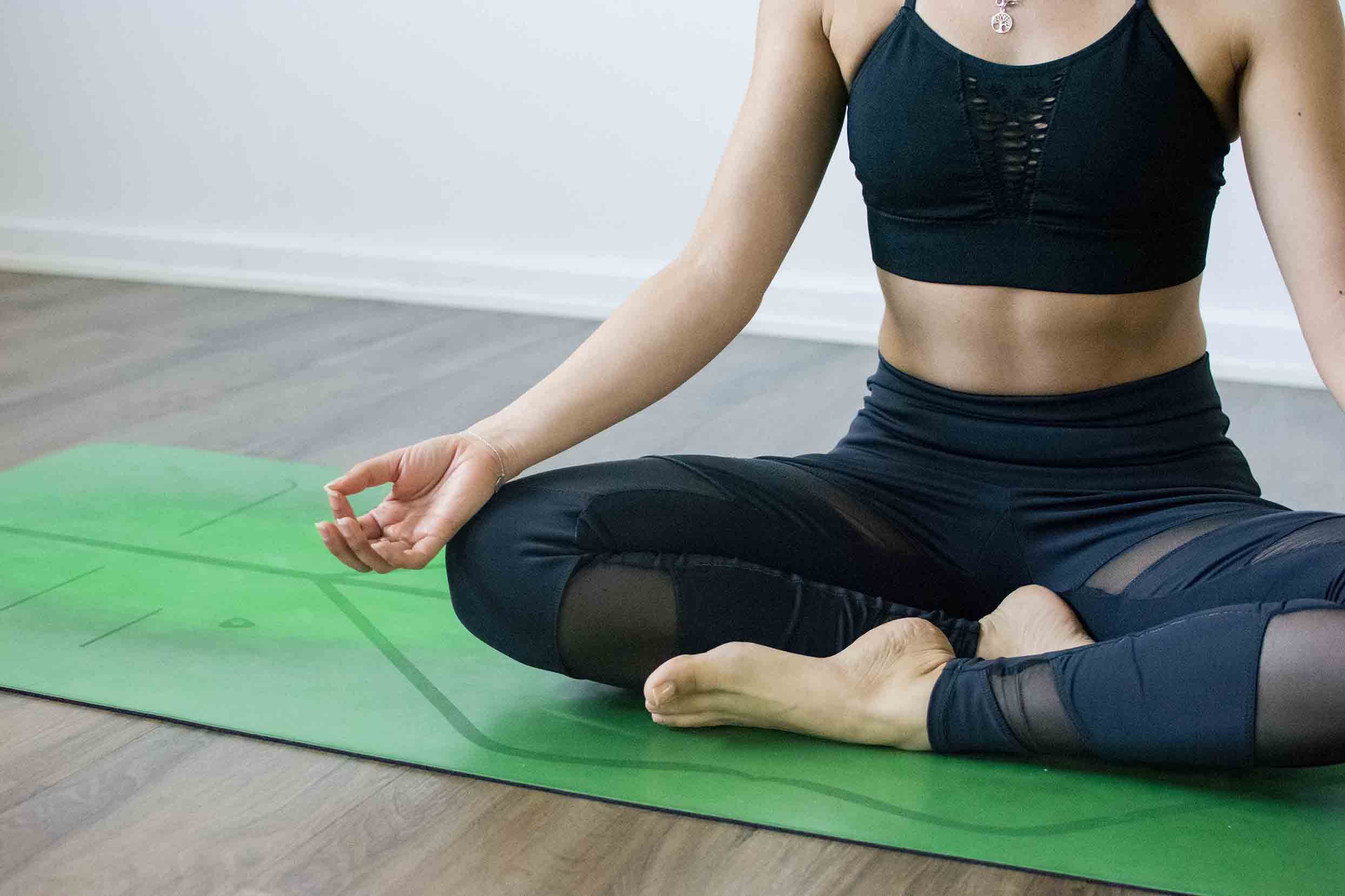
- Sit tall. Pick a seat you can hold for five minutes: Sukhasana (Easy Pose) on a cushion, kneeling on a block, or the front edge of a chair with both feet on the floor. Head and neck in line with the spine.
- Settle. Close your eyes and breathe normally through the nose for a few breaths. Rest your left hand on your left knee or in your lap.
- Make the hand position. Lift your right hand. Fold the index and middle fingers into the palm and keep the thumb, ring finger and little finger out. This is Vishnu Mudra. Your thumb will close the right nostril, your ring finger the left.
- Breathe out fully through both nostrils.
- Close the right nostril with your thumb. Press on the soft part of the nostril, below the bone. Breathe in slowly through the left.
- Switch. Close the left nostril with your ring finger, release the thumb, and breathe out slowly through the right.
- Breathe in through the right, the same side you last breathed out of.
- Switch again. Close the right nostril, open the left and breathe out through the left. That is one round.
- Repeat 5-10 rounds. Count if it helps: in for four, out for four. Keep the breath quiet enough that you can barely hear it.
- Finish on the left side, with an exhale through the left nostril. Lower your right hand and breathe normally through both nostrils for a minute before you open your eyes.
A simple memory aid: you always breathe in through the side you last breathed out of, then switch.
Building up: ratio and breath retention
Stay with an even breath, the same count in and out, for the first few weeks. When that feels easy, you can lengthen the practice in steps:
- Longer exhale. Breathe out for twice as long as you breathe in: in for four, out for eight. This is the version to use when you want to wind down.
- A short hold. After the inhale, close both nostrils and hold for a few counts before you breathe out. This is how the Hatha Yoga Pradipika describes it, and many schools teach a ratio of 1:4:2 (inhale, hold, exhale) for experienced students. Learn Kumbhaka Pranayama (Breath Retention) on its own first, and keep holds short and comfortable.
If the next inhale comes in with a gasp, the hold or the exhale was too long. Go back one step.
What Nadi Shodhana does
It slows your breathing down. Breathing through one nostril at a time adds resistance, and the counting keeps you from rushing. Most people drop to five or six breaths a minute without trying. Slow breathing with an unhurried exhale shifts the nervous system toward its resting mode. This is the best supported effect, and it is the same mechanism behind most calming breathing practices.
It gives the mind a task. Switching fingers, counting and following the breath from one side to the other keeps attention busy in a gentle way. That is why many teachers put it right before sitting meditation.
Heart rate and blood pressure. A number of small trials, most of them from India, report a lower heart rate and a small drop in blood pressure after alternate nostril breathing, and some report better scores on attention tests. The studies are short and the groups small. Read them as promising, and keep taking any treatment your doctor has given you.
What the old version of this page claimed and we no longer do: that Nadi Shodhana sends equal amounts of oxygen to the left and right sides of the brain, rids the body of waste, balances hormones or relieves respiratory problems, and that the effects are instant for everyone. None of these has good evidence behind it. Your blood carries oxygen to both halves of the brain whichever nostril you breathe through.
Who should skip or modify it
- A blocked nose: if one side is congested, do not force air through it. Breathe through both nostrils, or practise the rhythm in your mind with the hand resting.
- High blood pressure, heart conditions, pregnancy: the even breath is gentle and fine for most people. Leave out the breath holds.
- Anxiety or panic: a closed nostril can feel like too little air. Keep the count short, press lightly and open your eyes if that helps.
- Dizziness: stop and breathe normally. It usually means the breath was forced or the holds too long.
- Tired arm: rest the right elbow on your other hand or on a cushion. You can also switch hands.
Common mistakes
- Pressing too hard. Squashing the nose tilts the head and blocks both sides. The fingers rest with the weight of a feather.
- Breathing through the mouth. Keep the lips closed the whole time.
- Using Ujjayi. Save the throat sound of Ujjayi Pranayama (Victorious Breath) for another practice. Here the breath should be close to silent.
- Losing the pattern. If you forget which side you are on, finish the exhale, pause and start again from the left inhale.
- Collapsing the posture. As the arm tires, the chest sinks. Sit on a higher cushion, or support the elbow.
Variations
- Two fingers on the forehead. Rest the index and middle fingers between the eyebrows and use the thumb and ring finger on the nostrils. The earlier version of this page taught it this way. It gives the hand a resting point and works well for beginners.
- Single nostril breathing. Breathe in and out through one side only. Chandra Bhedana uses the left nostril in and the right out, the reverse of Surya Bhedana.
- Without hands. Sit still and move the breath from side to side with attention alone. An exercise for experienced students, and a bridge into meditation.
Where sources disagree
Nadi Shodhana or Anuloma Viloma? In the Sivananda tradition and in much of Indian yoga teaching, Anuloma Viloma is another name for alternate nostril breathing. B.K.S. Iyengar used the words differently: in his system, anuloma and viloma are separate practices, and viloma is a breath taken in stages with pauses. If a class uses the name, check what the teacher means.
Which side to start on. The Hatha Yoga Pradipika begins with an inhale through the left nostril, and most schools follow it. Some teachers start with an exhale through the left, or begin on the right. The effect of a few minutes of practice is the same. Pick one and stay with it so the pattern becomes automatic.
Left brain, right brain. The nose does change sides on its own: the nasal cycle, first described in the 1890s, swells one side and opens the other every few hours. A handful of small studies in the 1980s linked the open nostril to activity in the opposite half of the brain, and that idea became the popular "balances both hemispheres" claim. Later research has not confirmed it well. The nasal cycle is real. The hemisphere story is not settled.
What the research tells us. Scientists would say that slow breathing has decent evidence for short-term calm and that the specific Nadi Shodhana studies are small. Teachers would say students sit more quietly after five minutes of it, and that this is reason enough to practise. Both are true.
Where it fits in a practice
Before it: a few minutes of belly breathing to find a slow, easy breath. For the bigger picture, read our guide to pranayama, the yogis' art of breathing.
After it: sit in silence or meditate, or add Bhramari Pranayama (Humming Bee Breath) for a longer, humming exhale. For tense moments during the day, our guide to breathing exercises for anxiety and stress has other techniques.
To practise it with a teacher, take the 15-minute Nadi Shodhana beginner class or Guy Powiecki's Nadi Shodhana tutorial, and learn it step by step in week two of the eight-week Pranayama Program Level 1.
Frequently asked questions
Is alternate nostril breathing safe?
For most people, yes. The even version without breath holds is one of the gentlest pranayama practices. Stop if you feel dizzy, do not force air through a blocked nostril, and leave out the holds if you are pregnant or have high blood pressure or a heart condition.
Who should not practice Nadi Shodhana?
Skip it with a cold or a blocked nose, or practise the rhythm without closing the nostrils. With high blood pressure, heart problems or during pregnancy, practise the even breath and leave out the breath holds. If closing a nostril makes you anxious, keep the count short and your eyes open.
How long should I do Nadi Shodhana?
Start with 5 rounds, about 2-3 minutes. With practice, 10 rounds or 5-10 minutes is common. Short and daily works better than long and rare.
Is Nadi Shodhana the same as Anuloma Viloma?
In most Indian schools and in the Sivananda tradition, yes: both names mean alternate nostril breathing. In the Iyengar system anuloma and viloma are separate techniques, so the answer depends on who is teaching.
Which nostril do you start with?
The classical instruction is to breathe in through the left nostril first, with the right closed by the thumb. You also finish with an exhale through the left. Some teachers start on the right. Choose one pattern and keep it.
Does your breathing alternate between your nostrils?
Yes. Most people have a nasal cycle: one nostril is more open than the other, and they switch every few hours. You rarely notice it unless you have a cold. Nadi Shodhana makes you breathe through each side on purpose, whichever one is more open at the moment.
Can you retrain yourself to breathe through your nose?
Many people can, if nothing blocks the nose. Practise nose breathing at rest, in slow pranayama like Nadi Shodhana and during easy exercise, and notice when your mouth opens. If your nose is always blocked, see a doctor before you blame your habits.